
Comprehensive Dental Exams in Magnolia, TX
Get a Clear Picture of Your Oral Health From Day One
Request An Appointment

Dr. Reem Alramli, DMD
What to Do About a Damaged Tooth
Dr. Reem Alramli answers common questions about chipped, cracked and broken teeth, from a small chip to a serious fracture.
What are the most common types of tooth damage?
The most common problems are chipped, cracked or broken teeth. The damage can range from a small chip to a serious fracture.
What causes teeth to chip, crack or break?
The common causes include biting on hard foods, grinding the teeth, accidents, and also large fillings that weaken the tooth structure itself.
What should I do if I chip or break a tooth?
Rinse your mouth with warm water, avoid chewing on that side and contact your dentist as soon as possible.
How is a damaged tooth treated?
The treatment depends on the damage. We can repair the tooth with tooth-colored bonding, a veneer or a dental crown.
When does a damaged tooth need a crown?
When a large portion of the tooth is damaged or weakened, a crown can help protect the tooth.
How is a cracked tooth treated?
It depends on how deep the crack is. We may recommend a crown, root canal treatment, or extraction if the tooth cannot be saved.
Can a cracked tooth heal on its own?
No, a cracked tooth cannot heal naturally. Home remedies may temporarily relieve the discomfort, but professional treatment will be necessary.
Which symptoms mean the damage is more serious?
Pain when chewing, sensitivity to hot and cold, swelling and persistent pain can indicate more serious problems.
Can a tooth break without pain?
Yes, sometimes a tooth can break without pain, especially if the nerve is no longer healthy. Even without pain, it needs an evaluation.
Can a broken tooth be saved?
We try to save the tooth with a filling, a crown or a root canal where possible. If the damage extends far below the gum line or into the root, extraction will be necessary.
Can I fix a broken tooth with a dental repair kit?
Some dental repair kits may provide temporary protection, but they are not a permanent solution, so it’s important to see your dentist. If you have a chipped, cracked or broken tooth, don’t wait until it becomes painful. Contact Harmony Cosmetic Dentistry & Implants at (832) 464-4454. We are here to help you restore your smile.
Why a Comprehensive Dental Exam Is Important
Starting care with a new dental team can feel uncertain when you are not sure what to expect from that first visit. You may be wondering whether a routine cleaning is enough or if there is more your dentist should be checking before recommending any treatment.
At Harmony Cosmetic Dentistry and Implants, we begin every new patient relationship with a general dentistry comprehensive exam. This visit gives our team the full picture of your oral health, from the condition of your teeth and gums to your bite alignment, so every recommendation that follows is based on a complete and accurate assessment rather than guesswork.
When We Recommend Periodontal Care
A comprehensive exam is often where the first signs of gum disease are caught, since Dr. Reem checks pocket depth, bleeding, and recession as part of that full evaluation. These measurements help us spot inflammation or early bone loss before it progresses into something more difficult to treat.
If those findings point to something beyond routine care, we can refer you directly to our periodontics team without sending you elsewhere for a second opinion. Because both providers work under one roof, your records and exam findings carry over directly, so you are not stuck repeating the same history and X-rays for a new provider.
What a Comprehensive Exam Evaluates
-
Evaluating Your Teeth and Bite
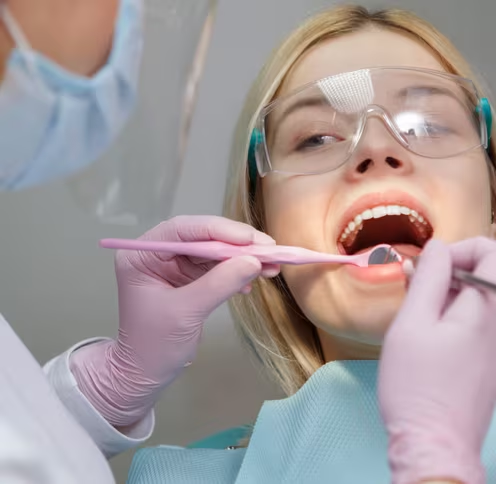
Every comprehensive exam starts with a close look at each tooth, checking for decay, cracks, wear, and the condition of any existing dental work. We also review how your teeth meet when you bite down, since misalignment or uneven pressure can lead to problems well beyond the teeth themselves.
-
Evaluating Your Gums and Soft Tissue
A thorough periodontal evaluation measures pocket depth, checks for bleeding or recession, and looks for early signs of gum disease before it becomes more difficult to treat. We also examine the soft tissues of your mouth, cheeks, and throat as part of a routine oral cancer screening.
-
Evaluating What X-Rays Reveal
Digital X-rays let us see beneath the surface, including decay between teeth, bone levels, and any issues near the roots that are not visible during a standard visual exam. These images give us a complete diagnostic picture to support any treatment recommendations that follow.
A Step-by-Step Look at Your Visit
Every comprehensive exam follows a consistent process so nothing is overlooked. Here is what patients can generally expect when they come in for this appointment.
-
Step 1:
Reviewing Your History
We start by discussing your medical and dental history, including any current medications, past dental work, and concerns you would like us to address.
-
Step 2:
Examining Teeth and Gums
Dr. Reem checks each tooth for signs of decay, cracks, or wear, and evaluates your gum tissue for early indicators of gum disease, including pocket depth and any bleeding or recession.
-
Step 3:
Taking X-Rays
Digital x-rays allow us to see below the surface, including areas between teeth and beneath the gum line that are not visible during a standard visual exam.
-
Step 4:
Oral Cancer Screening
We examine your face, neck, and the soft tissues of your mouth for any unusual changes, which is an important part of catching potential concerns early.
-
Step 5:
Bite and Jaw Evaluation
Dr. Reem reviews how your teeth come together and checks your jaw joints for any signs of strain, misalignment, or discomfort. This also helps identify uneven wear patterns that might otherwise go unnoticed.
-
Step 6:
Reviewing Findings and Next Steps
Once the exam is complete, we walk you through what we found and discuss any recommended next steps, whether that means a cleaning, restorative care, or a referral to Dr. Alramli for periodontal evaluation.
Schedule Your Comprehensive Exam
Regular dental visits play a significant role in catching problems early and maintaining long-term oral health, and a comprehensive exam is the foundation that makes every future visit more effective.
If you are ready to establish care with a dental team that takes the time to understand your full oral health picture, our office welcomes new adult patients from Magnolia and the surrounding communities. Regular dental cleanings and exams work together to keep small issues from becoming bigger ones, and our team is here to help you stay ahead of them. Reach out through our contact form today.
Frequently Asked Questions
What happens during a comprehensive dental exam?
A comprehensive dental exam covers a full review of your medical and dental history, a visual examination of each tooth for decay, cracks, or wear, a periodontal evaluation that measures pocket depth and checks for early gum disease, digital X-rays to assess what is happening below the gum line, an oral cancer screening of the soft tissues and throat, and a bite and jaw evaluation. At the end, Dr. Reem walks you through every finding and discusses any next steps that make sense for your oral health.
How is a comprehensive exam different from a routine cleaning?
A routine cleaning focuses on removing plaque and tartar buildup, while a comprehensive exam is a diagnostic appointment. The exam is what allows Dr. Reem to build a full picture of your oral health, identify anything that needs attention, and create a plan before any treatment is recommended. For new patients, the comprehensive exam typically comes first so that every recommendation that follows is based on a complete and accurate baseline.
How long does a comprehensive dental exam take?
Most comprehensive exams take between 60 and 90 minutes for new patients, depending on how many X-rays are needed and whether any additional concerns come up during the appointment. Returning patients who come in for periodic exams typically have a shorter visit, since a baseline has already been established.
Does insurance typically cover a comprehensive dental exam?
Most dental insurance plans cover a comprehensive exam as a preventive benefit, often at 100 percent with no out-of-pocket cost. The number of covered exams per year varies by plan. If you are unsure about your benefits, our team can help you verify your coverage before your appointment so there are no surprises.
What if the exam finds something that needs treatment?
If Dr. Reem identifies anything during your exam, she will take the time to explain exactly what she found, why it matters, and what your options are. Because Harmony Cosmetic Dentistry and Implants is a multi-specialty practice, many treatment needs can be addressed in-house, including periodontal care with our periodontist, rather than sending you to an outside provider. No treatment is scheduled without your full understanding and agreement.
Do I need to do anything to prepare for my first comprehensive exam?
You do not need any special preparation for a comprehensive exam. It helps to bring a list of any current medications you are taking, information about previous dental work or conditions, and your insurance card if you have coverage. If you have recent X-rays from a previous dentist, we can often use those to reduce the number of new images needed at your first visit. Arrive a few minutes early to complete any intake paperwork.